The Oya Learning Hub offers free educational resources about plants and conservation — drawing on IUCN Red List data, Kew Gardens research, and peer-reviewed science. From how a flower works to why a species disappears.
Each stands on its own. Start with the one that draws you in.
An interactive, illustrated lesson covering the fundamentals of plant biology — how a flower works, how plants are built, and how they make their own food.
Open Plant School →
In-depth stories of remarkable plants in their ecological, cultural, and historical context — from alpine specialists to Mediterranean survivors and the wild relatives of East African crops.
Explore the stories →
What happens to the slowest of living things when the world breaks? Wars, evacuations, fires, and the silences that follow. Each story stands on its own; more will be added as the research advances.
Enter Plants in Conflict →
Beyond the Learning Hub — Oya's plant species portraits, and the Conservation in Action country projects soon to launch.
Visit Oya Portraits →Browse by type, or scroll through everything. New resources are added regularly.
An interactive, illustrated lesson covering the parts of a flower, plant morphology, photosynthesis, and why plants need our help.
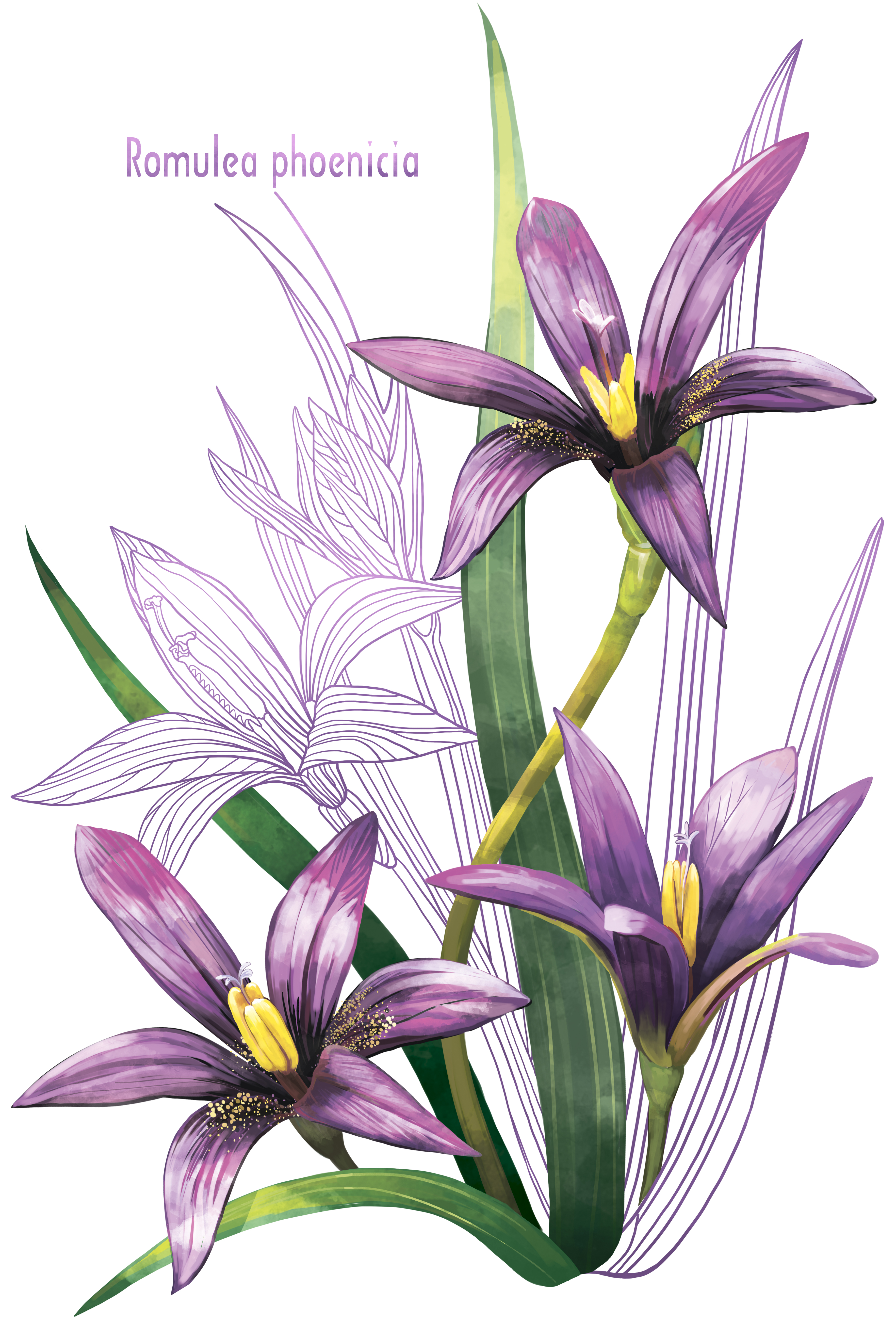
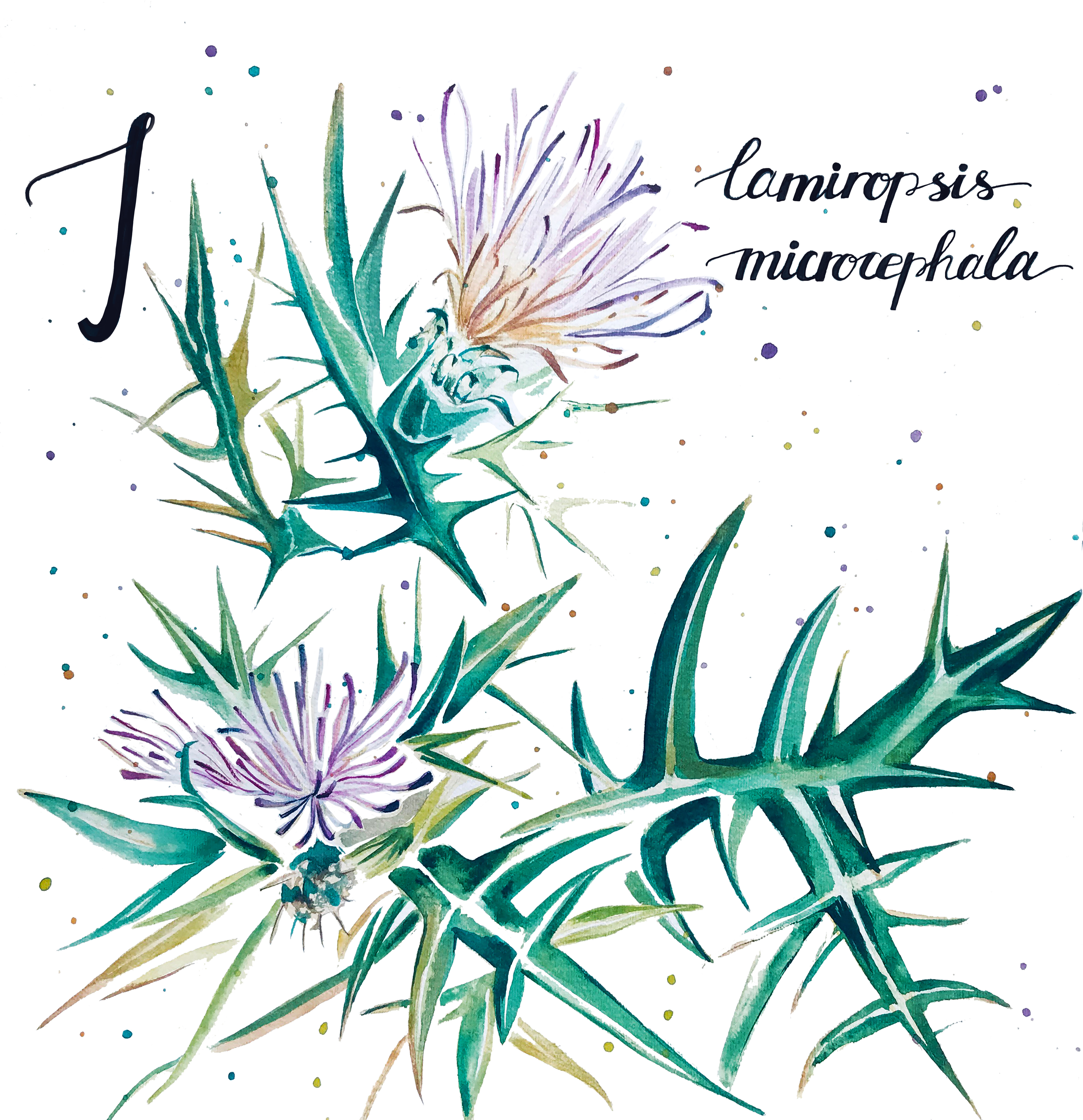
Four portraits of remarkable alpine plants — from the iconic Edelweiss to the glacier's edge. Discover their stories, their threats, and where to see them.
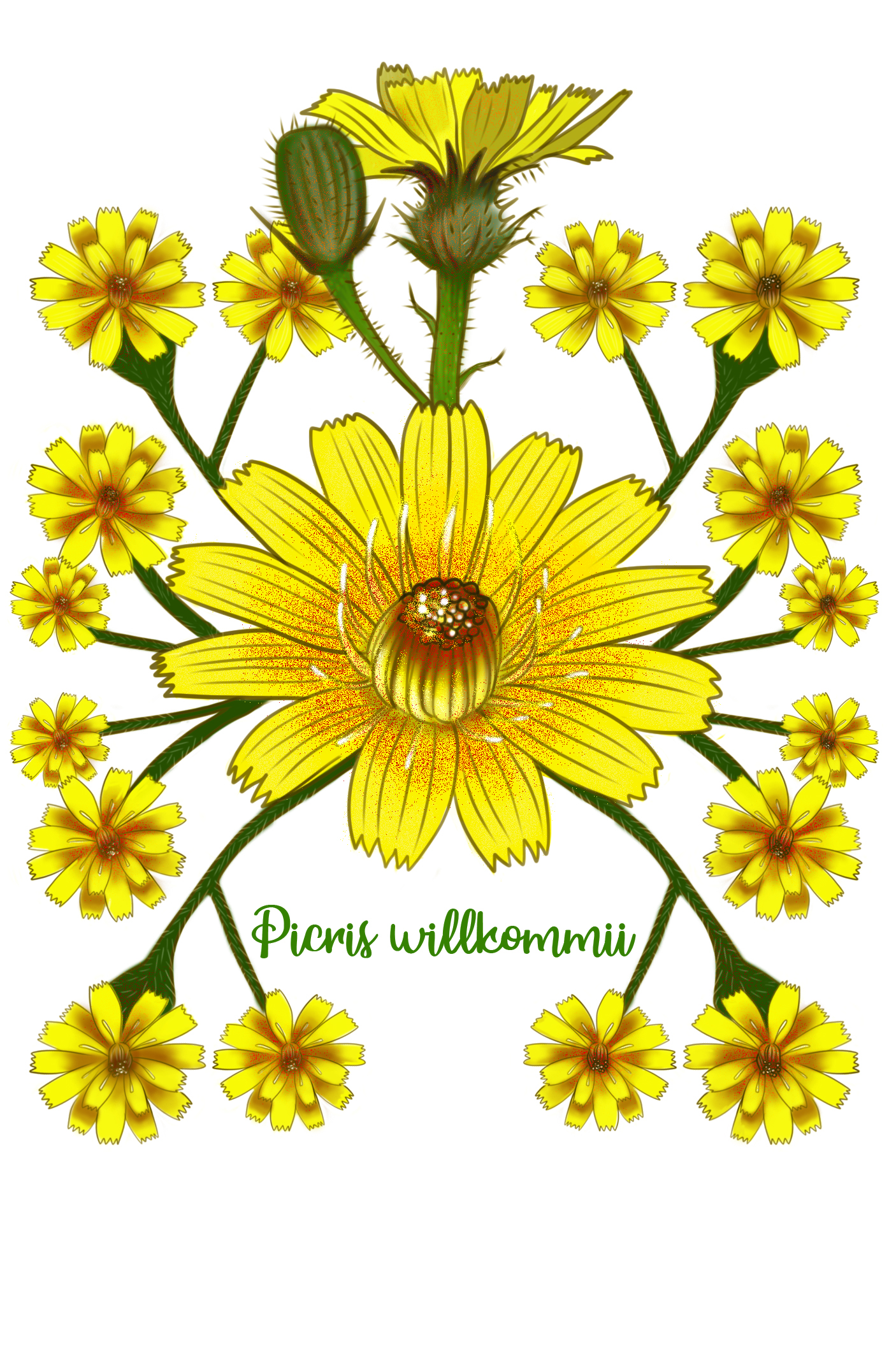
From a beach flower threatened by sunbeds to a tree that bleeds red, thirty wild firs clinging to a Sicilian valley, and the most catastrophic extinction in ancient history.
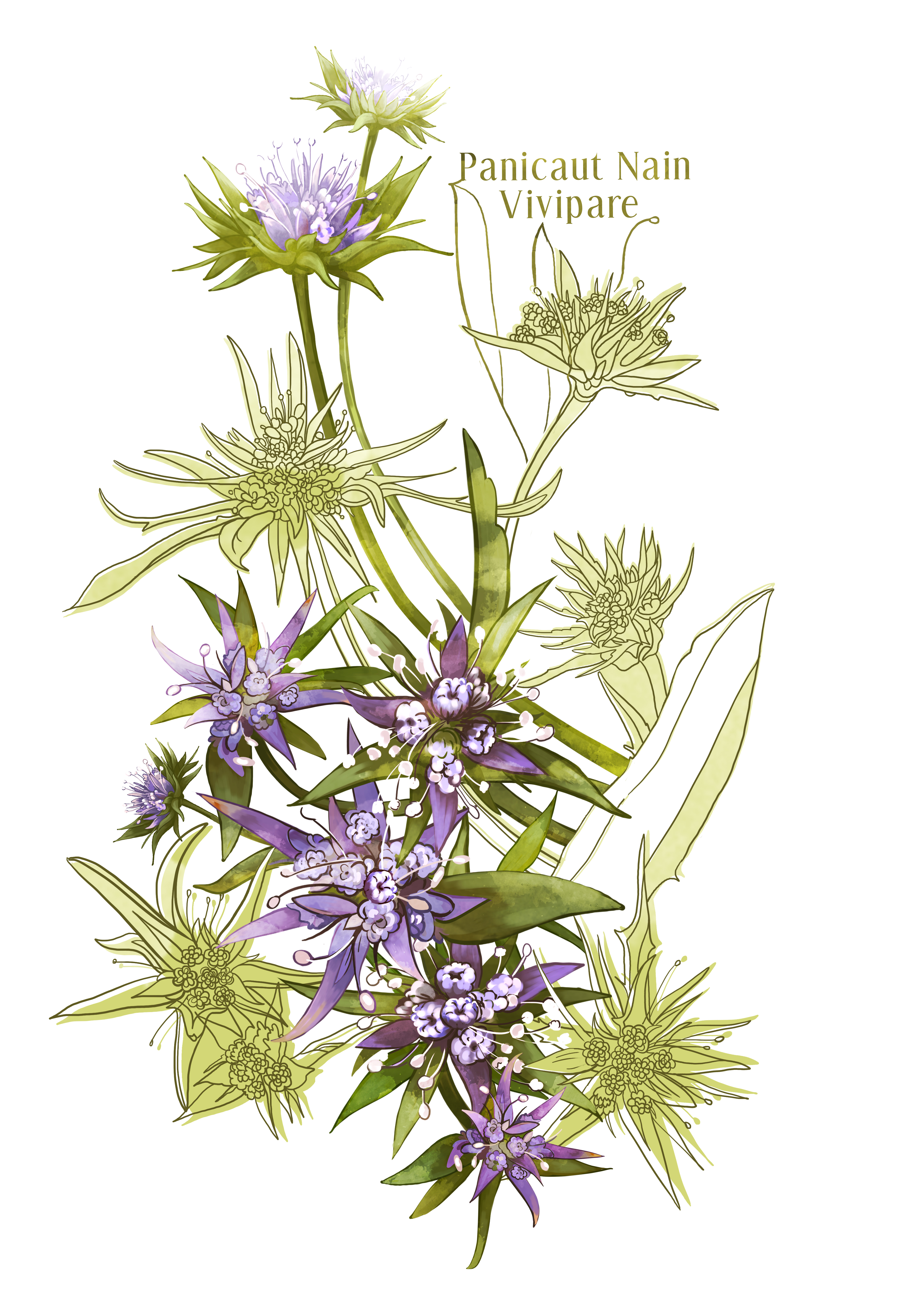
The frankincense tree being loved to extinction, the Cedar of Lebanon felled for Solomon's Temple, and a sacred lotus that vanished from the Nile.
Three plants taken by colonial and commercial forces: the African Violet whose wild relatives are critically endangered, the Blackwood tree that supplies Europe's orchestras, and the bark that built a pharmaceutical industry.
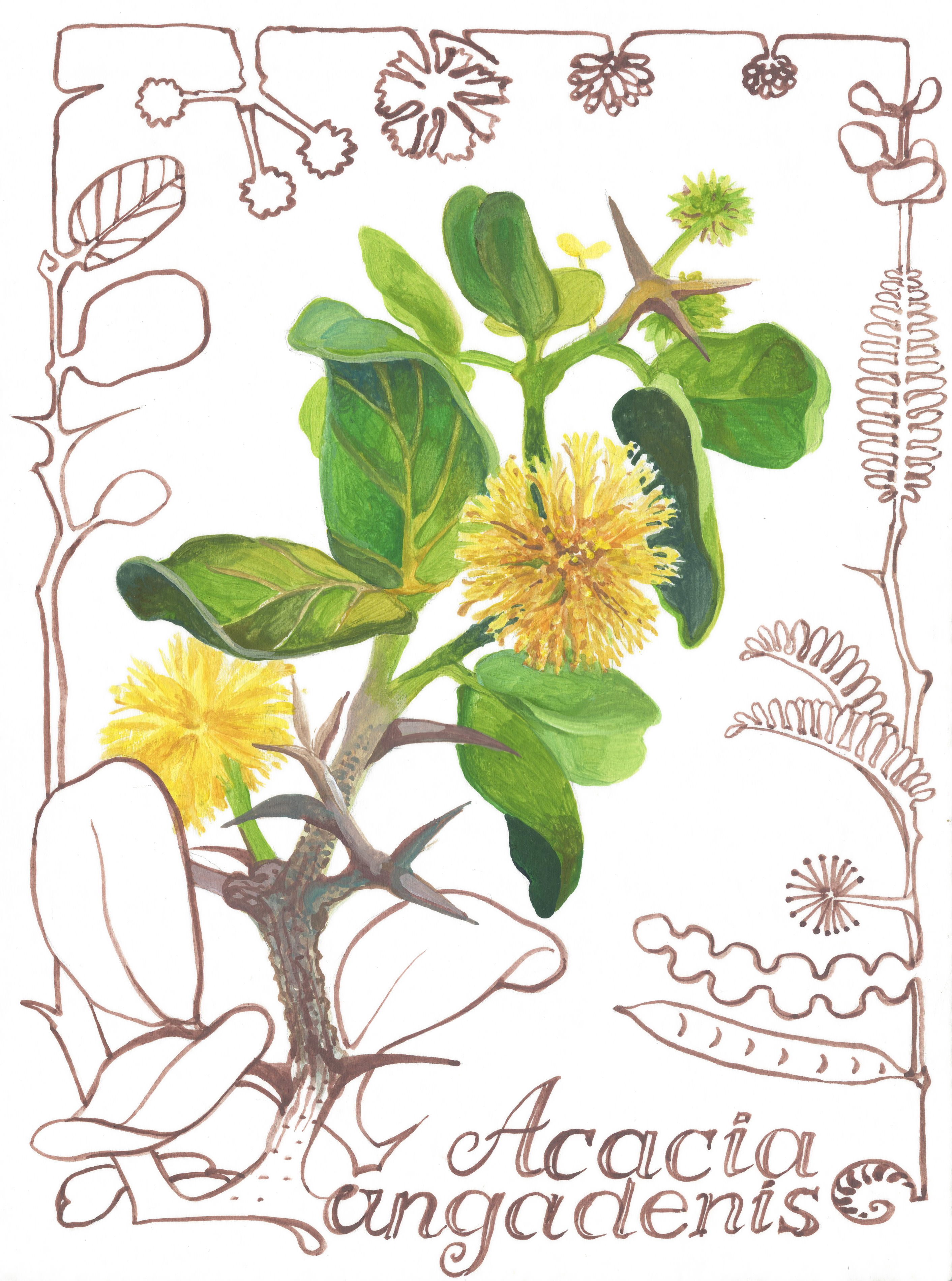
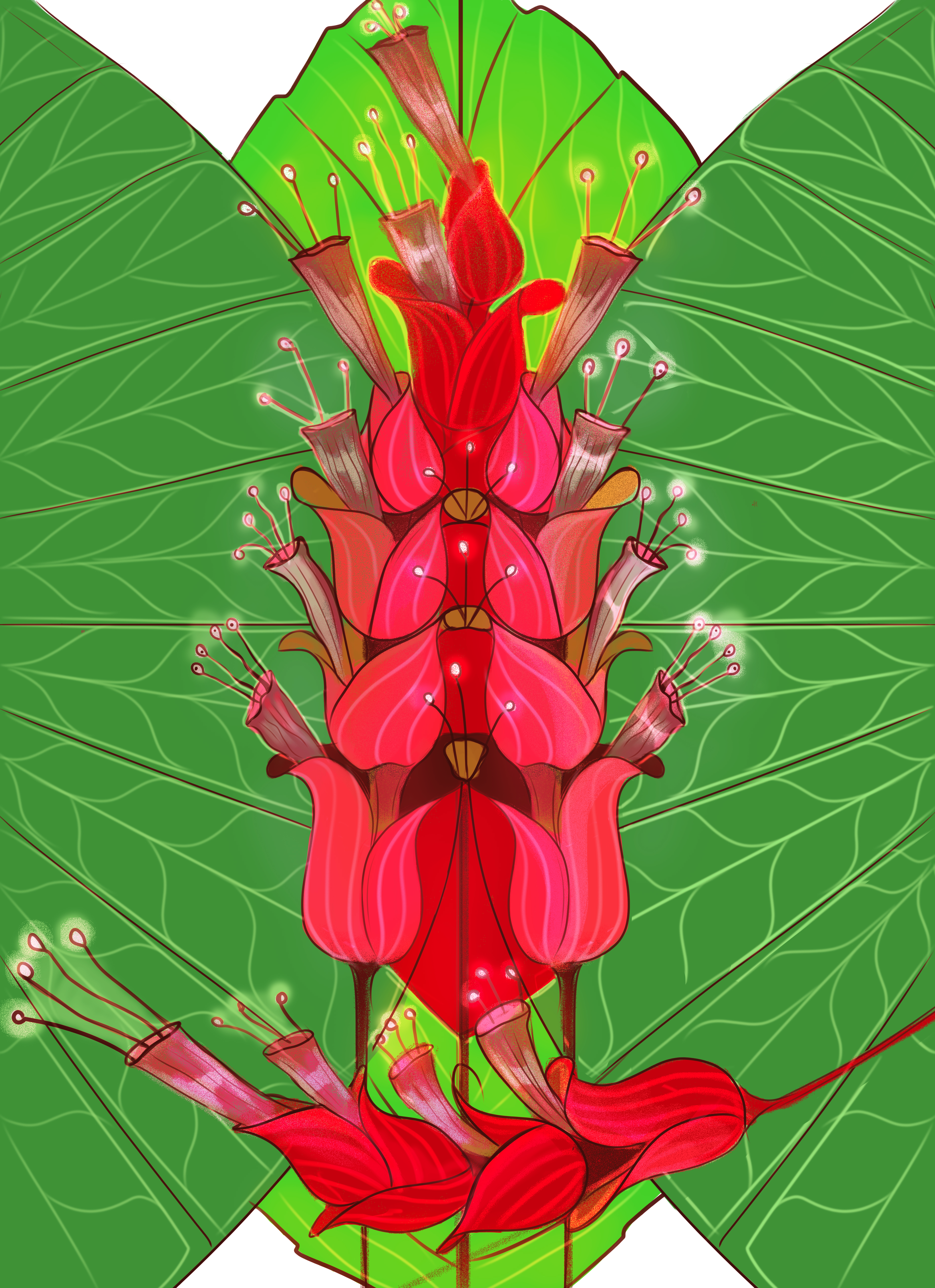
Four plants from the region's oldest botanic gardens — institutions built to move plants for profit, now racing to keep them alive. A national flower down to one tree, a cedar erased from its namesake island, a scarlet Jamaican endemic, and a cycad from deep time.
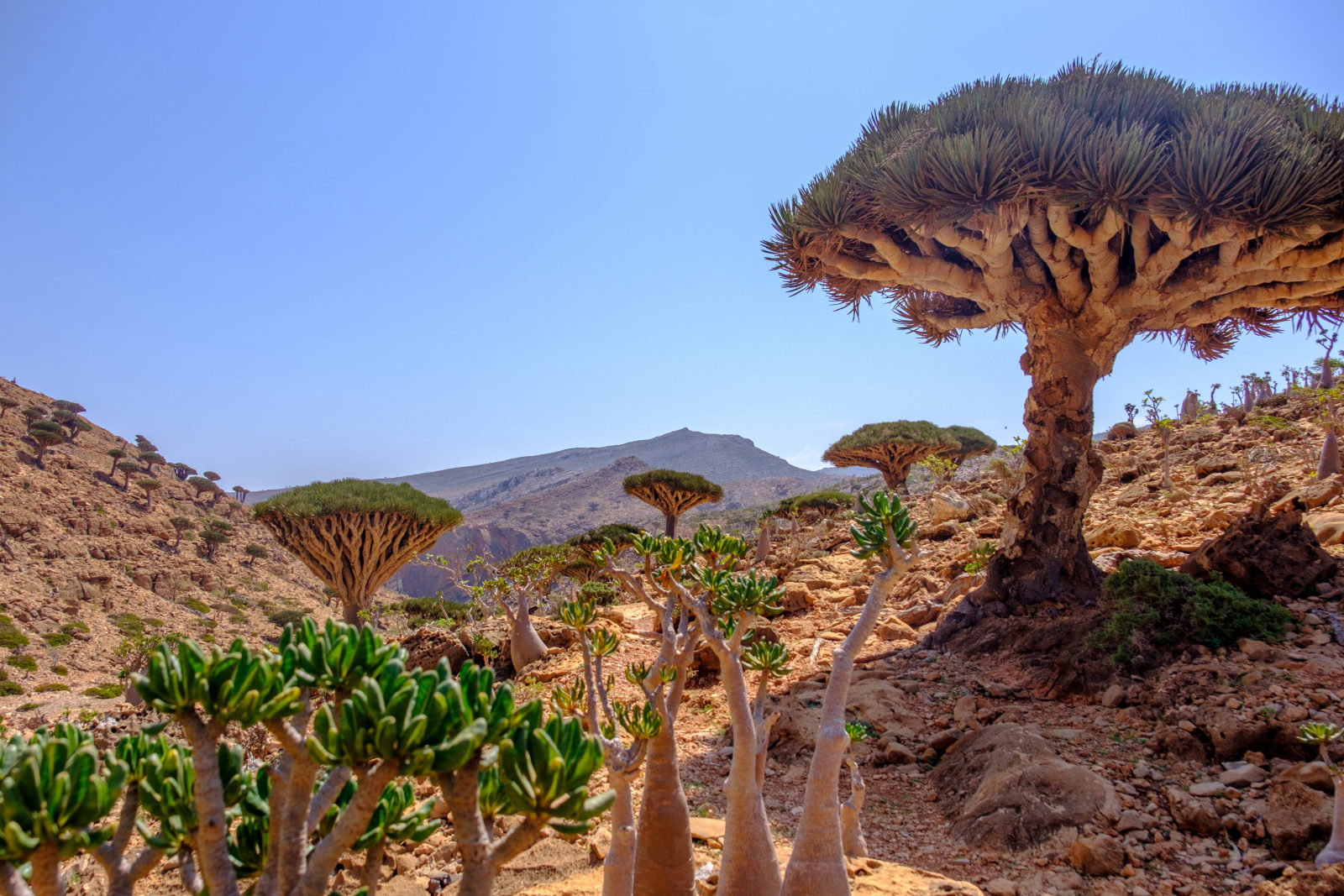
What happens to the slowest of living things when the world breaks? Featured species so far: an orchid, a pine, a balsam, a dragon blood tree, a dinosaur tree — with more case studies added as the research advances.